
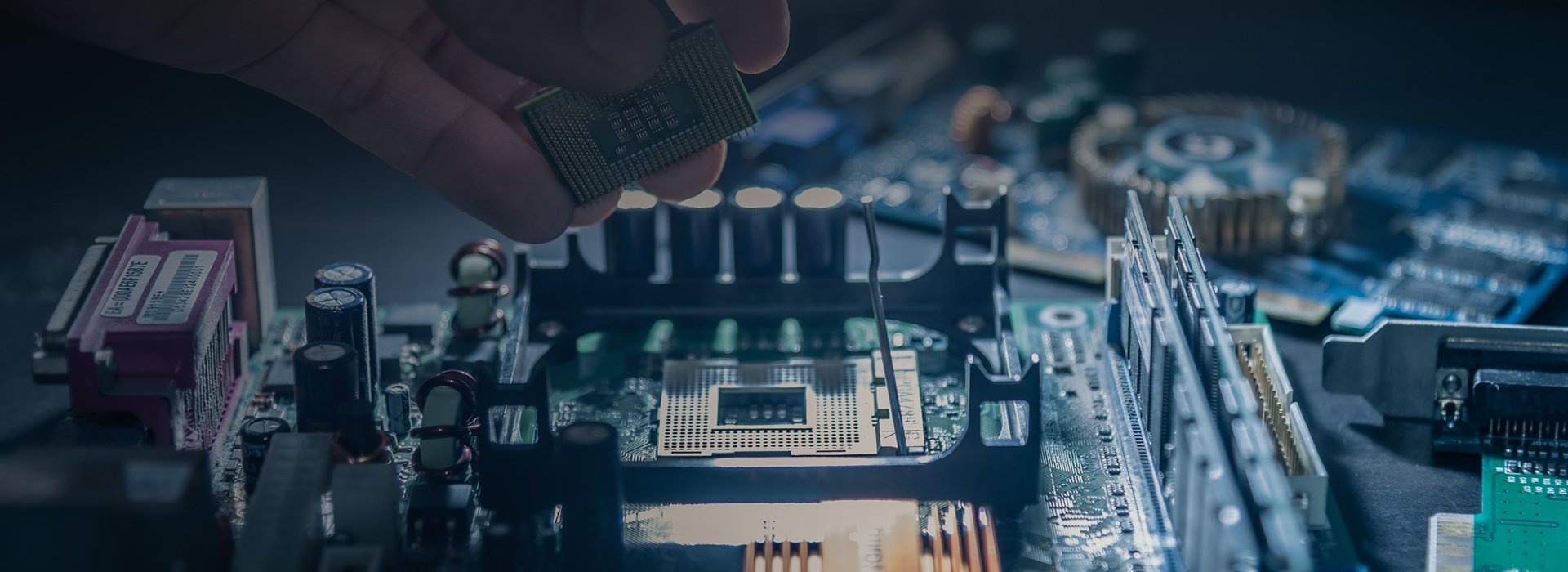
SMT PCB assembly stands for Surface Mount Technology Printed Circuit Board assembly. It is a process of assembling electronic components on the surface of a printed circuit board (PCB) using automated equipment.
In SMT assembly, electronic components such as resistors, capacitors, integrated circuits, and other parts are mounted on the surface of a PCB using a soldering process. This is different from through-hole assembly, where components are mounted through drilled holes in the PCB.
Our SMT assembly is designed for optimal strength, flexibility, and reliability, ensuring high performance. We combine traditional techniques like Through-hole technology with the latest technological trends to seamlessly adapt to future changes. We prioritize our users’ needs, offering customized solutions for low or high volume, semi-automatic or fully automatic SMT assembly, tailored to meet your throughput and budget requirements.
We take pride in our commitment to meeting and exceeding our clients’ expectations. Our team of experts provides customized solutions for your specific needs, from prototype to production. We understand the importance of deadlines and strive to meet them with precision and efficiency. We believe in building strong relationships with our clients, and we are committed to providing exceptional customer service every step of the way. We invite you to experience our expertise and see why we are the go-to SMT PCB manufacturer in China.
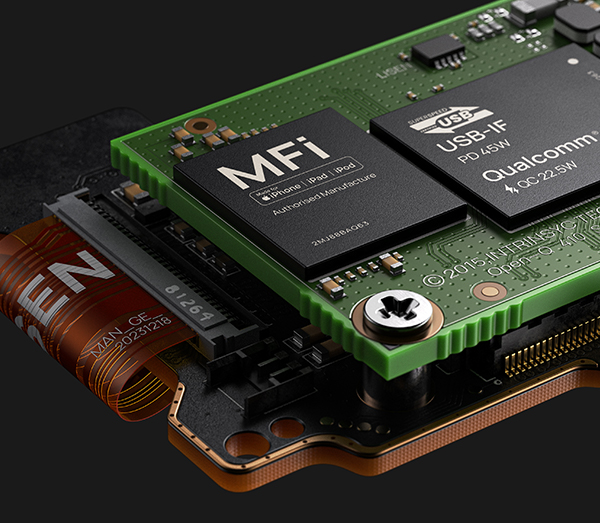
With our special techniques and equipment, we performSMT soldering during the PCB assembly. We ensure allthe components placed during the soldering processesare not damaged and even the final soldered quality ishigher. Many times, equipment failures happened due tolow-quality soldering.
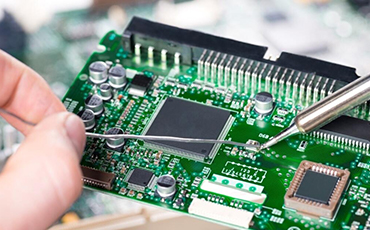
We do high quality soldering tooptimize the PCB assembly process, improve the overallequipment reliability, and adhere to the highest qualitystandards. We hold experience in all the SMD solderingtechniques like hand soldering, hot air soldering, and hotplate soldering.
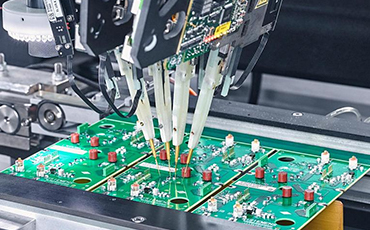
We further provide reflow soldering options for your boardas you move towards the completion of the assemblyprocess. Get a proper reflow profile for building acceptablesolder joints without causing any damage to the parts orassembly.
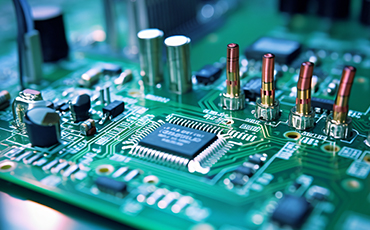
For the reflow soldering process, we pick thesuitable machines, acceptable reflow profile, PCBcomponent footprint design, well-designed stencils, highquality PCB, components & solder paste, and repeatableplacement of surface mount components.
We further provide reflow soldering options for your boardas you move towards the completion of the assemblyprocess. Get a proper reflow profile for building acceptablesolder joints without causing any damage to the parts orassembly.
For the reflow soldering process, we pick thesuitable machines, acceptable reflow profile, PCBcomponent footprint design, well-designed stencils, highquality PCB, components & solder paste, and repeatableplacement of surface mount components.
| PCB Size | L810mm*W490mm~L50mm*W50mm |
|---|---|
| PCB Thickness | 0.75mm~4.0mm |
| Substrate Material | Rigid Board、Flex Board、Flex-Rigid Board |
| Minimum Component Size | 01005(Imperial) |
| Minimum Spacing Between Components | 0.25mm(QFP/QFN/BGA) |
| Component Height | Up To 15mm |
| Printing Alignment Accuracy | ±0.015mm |
| Installation Accuracy | ±0.035mm |
The company has successively cooperated with over 3,000 high-tech R&D, manufacturing, and service enterprises worldwide, providing technical solutions covering fields such as healthcare, industrial control, artificial intelligence, the Internet of Things, automotive electronics, and smart home.

With the utilization of CAD/CAM an NC file is sent to the shop server, a full scale plot of the material is sent to the material prep department and drawings for any metal details that need to be machined are sent to the machining department.
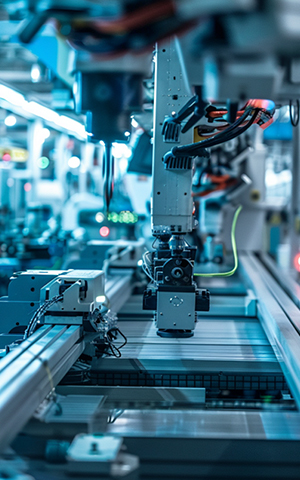
With the utilization of CAD/CAM an NC file is sent to the shop server, a full scale plot of the material is sent to the material prep department and drawings for any metal details that need to be machined are sent to the machining department.

With the utilization of CAD/CAM an NC file is sent to the shop server, a full scale plot of the material is sent to the material prep department and drawings for any metal details that need to be machined are sent to the machining department.

With the utilization of CAD/CAM an NC file is sent to the shop server, a full scale plot of the material is sent to the material prep department and drawings for any metal details that need to be machined are sent to the machining department.

With the utilization of CAD/CAM an NC file is sent to the shop server, a full scale plot of the material is sent to the material prep department and drawings for any metal details that need to be machined are sent to the machining department.

We offer a 24-hour quotation service for your PCB assembly orders.

We ensure that the electronic components are sourced from original packaging, guaranteeing genuine products.
It boasts 7 fully automated SMT high-speed chip-mounting production lines, equipped with online AOI, SPI, X-RAY, and other equipment.

Today we service accounts in eleven countries and have multiple facilities to service our customers around the world.

Regardless of the industry you represent, we can provide you with comprehensive PCB assembly solutions, leveraging our superb technology.

We meticulously craft products for our customers that are technologically superior, technologically advanced, reliable in quality, and offer a high cost-performance ratio.
PCB Assembly Q&A