
1.Preliminary Preparation: Draw the schematic diagram and prepare the component library (packages).
2.Planning and Layer Stack-up: Determine the board outline size, number of layers (single-layer/double-layer/multi-layer), stack-up structure, and impedance requirements.
3.Component Placement: Place components on the board, considering signal flow, heat dissipation (for high-heat components), and electromagnetic interference (separate high-frequency and low-frequency components). Components are typically placed from largest to smallest.
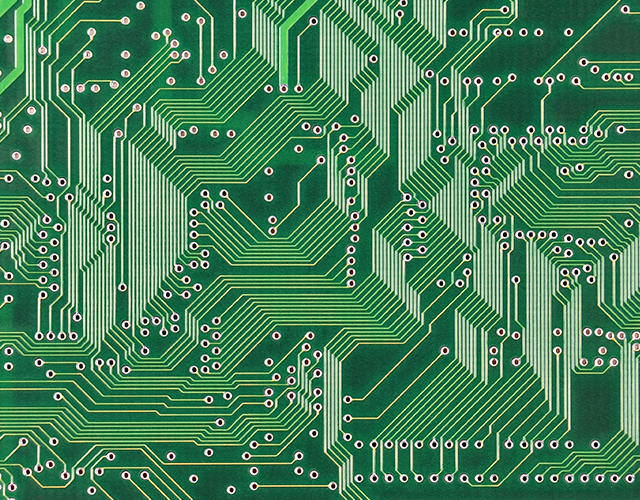
4.Routing: Connect flying leads to actual copper traces, focusing on the width and routing of high-speed signal lines, power lines, and ground lines.
5.Design Rule Check (DRC): Ensure the design complies with manufacturing process capabilities (trace width, spacing, vias).
6.File Output: Generate Gerber files, drilling data, and a Bill of Materials (BOM) for prototyping.